When sourcing zinc alloy components, engineers and procurement managers often face a critical decision: should they choose high-pressure die casting, or is gravity casting (also known as Zinc Permanent Mold casting) the better route?
While both processes use a reusable metal mold to shape molten zinc alloys like Zamak and ZA series, the way that metal enters the cavity changes everything—especially the final density of your part.
At STICKINDUSTRY (www.zamakdiecasting.com), we specialize in both processes, and we’re here to give you an honest, technically grounded comparison.
Let’s break down why Zinc Gravity Casting consistently wins when part integrity, surface finish, and plated cosmetics matter more than sheer production speed.
What Is Zinc Permanent Mold (Gravity) Casting?
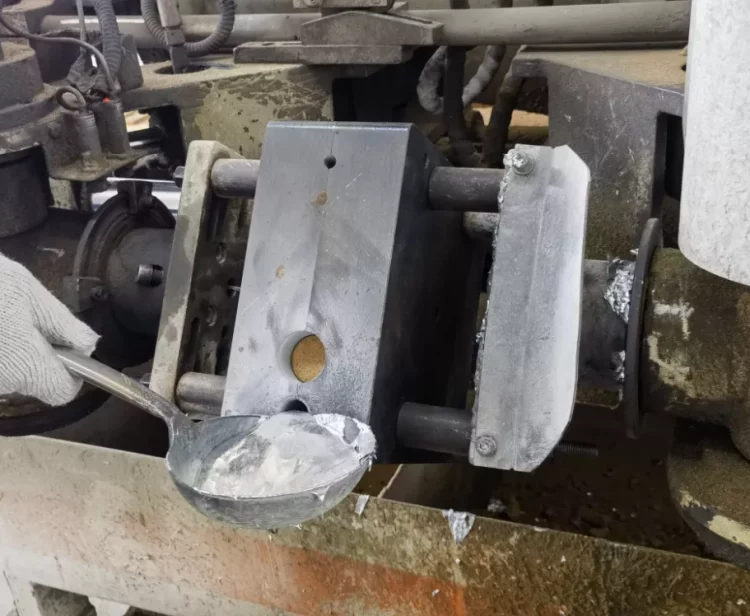
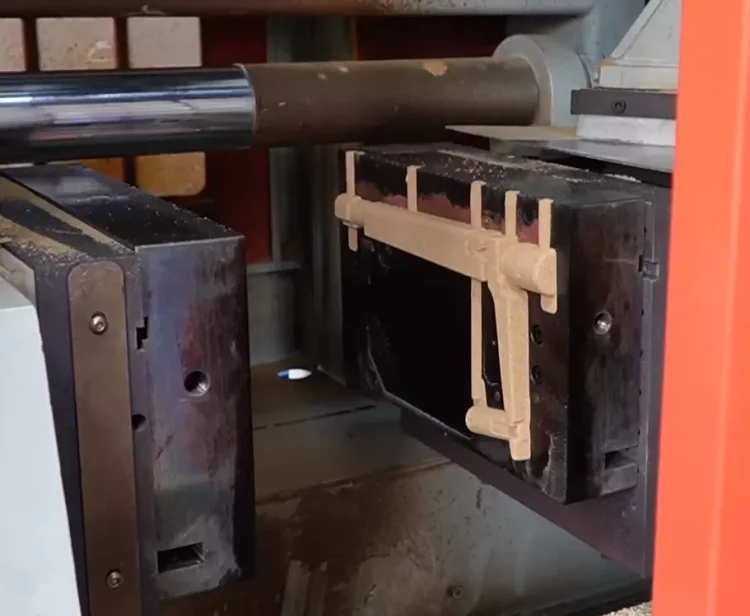
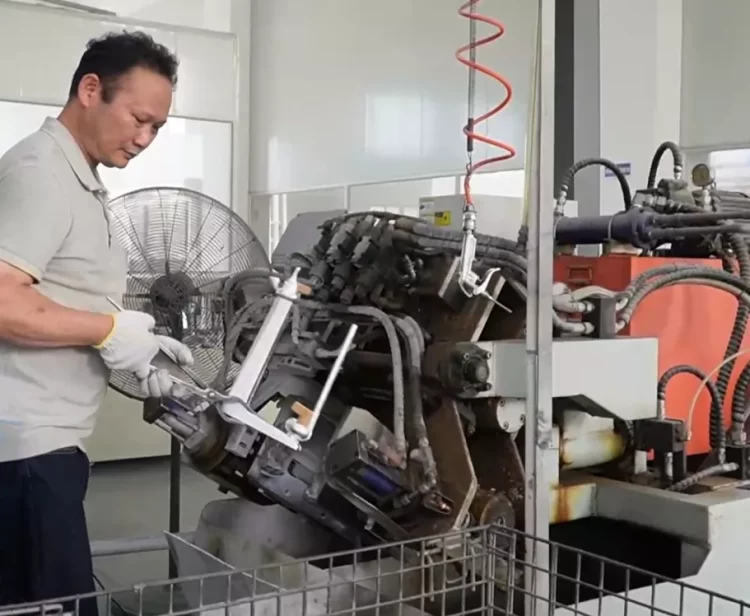
Zinc Permanent Mold casting, widely referred to as Zinc Gravity Casting outside North America, is a process in which molten zinc alloy is poured into a reusable steel mold under the force of gravity alone. No high-pressure injection, no intense vacuum—just a controlled, laminar flow that allows the metal to fill the cavity from the bottom up.
Common alloys poured in our facility include:
-
Zamak 2, 3, 5 (for general and decorative hardware)
-
ZA-8, ZA-12, ZA-27 (for high-strength, wear-resistant parts)
We often use tilt-pour or static gravity pouring stations to minimize turbulence, and cores (sand or metal) can be used to create complex internal geometries.
How Does High-Pressure Die Casting Differ?
In zinc die casting, molten alloy is injected into a steel die at extreme speeds (up to hundreds of kilometers per hour) and pressures (over 1,000 psi). The mold fills in milliseconds, and the part solidifies under intense hydraulic pressure.
This process is the workhorse of the zinc industry, perfect for high-volume, thin-walled parts. However, that turbulent filling comes with a hidden cost: gas porosity.

The Core Argument: Why Zinc Gravity Casting Delivers Better Density
The fundamental difference between Zamak Gravity Casting and zinc die casting lies in how gases behave during filling and solidification.
1. Laminar Fill Means Fewer Trapped Gas Pockets
In gravity pouring, the metal flows in a controlled, non-turbulent manner. The risers and gating system are designed so that air inside the cavity is gradually vented as the metal rises. There’s no violent spray or atomization of the melt.
In die casting, the high-speed injection entrains air and vaporized die lubricant into the metal stream. These become trapped as the “skin” of the casting freezes instantly against the cooler die wall. The result? Sub-surface gas porosity that cannot be seen on the surface but creates blisters when the part is heated during electroplating or powder coating.
2. Directional Solidification and Feeding
A well-engineered permanent mold gating system establishes a steep thermal gradient. The casting solidifies progressively from the extremities back toward a large riser, which stays molten and feeds the part as it shrinks. This results in a part with virtually no shrinkage porosity.
Die casting relies on intensification pressure to push semi-solid metal into shrinkage voids during solidification. While effective for thin sections, it rarely eliminates dispersed micro-shrinkage in thicker bosses or sections. With Zinc Gravity Casting, you get a naturally fed, denser microstructure.
3. Heat Treatable Alloys Become Viable
ZA-27 and some high-performance zinc alloys benefit significantly from solution heat treatment and aging. However, a die casting that contains any internal gas porosity will blister or deform when heated above a certain threshold. Since Zinc Permanent Mold castings are essentially gas-free, they can be fully heat treated for maximum hardness and strength—something impossible with conventional die castings.
Side-by-Side Process Comparison
| Factor | Zinc Permanent Mold (Gravity) | Zinc Die Casting |
|---|---|---|
| Filling method | Gravity pour, laminar flow | High-speed, high-pressure injection |
| Porosity level | Very low; can produce pressure-tight parts | Dispersed gas micro-porosity common |
| Surface finish | Excellent; ideal for mirror polishing and plating | Good, but may blister during curing |
| Wall thickness | Best for medium to thick sections (3 mm+) | Best for thin walls (0.5 mm – 3 mm) |
| Tooling cost | Moderate; lower tooling pressure allows less expensive mold materials | High; hardened tool steel required |
| Production rate | Lower (15–30 cycles per hour) | Very high (up to 200+ shots per hour) |
| Part weight range | 50 grams to over 50 kg | Typically under 10 kg |
| Heat treatable | Yes, fully | No, blistering risk |
When You Should Absolutely Choose Zinc Permanent Mold Casting
Based on thousands of projects shipped from our foundry, here are the typical scenarios where Zinc Gravity Casting becomes the only choice:
-
Parts that require mirror-level electroplating. Chrome, nickel, or gold-plated decorative hardware (door handles, bathroom fittings, luxury packaging emblems) must have zero sub-surface gas. Even microscopic pores will turn into unsightly surface blisters after the plating oven. Zamak Gravity Casting is the industry standard here.
-
Pressure-tight components. Valve bodies, pump housings, and pneumatic fittings need to hold air or fluid under pressure without seepage. We regularly test our gravity castings on a helium mass spectrometer and achieve near-zero leak rates—a standard that die cast parts struggle to meet without expensive vacuum-impregnation treatments.
-
Wear-resistant ZA-27 parts. ZA-27 bearings, worm gears, and wear plates are often used as direct replacements for bronze. This alloy’s ultimate tensile strength exceeds 420 MPa after heat treatment. This strength is only accessible through Zinc Permanent Mold casting because the as-cast microstructure is dense enough to be heat treated without damage.
-
Low-to-medium volume production. If you need 500 to 5,000 pieces per year, a gravity casting tool built from hardened H13 or even ductile iron will cost 40–60% less than a high-pressure die casting die. It will also be delivered faster, allowing you to get to market sooner.
The Limits of Zinc Gravity Casting (And Why Die Casting Still Rules for Volume)
We must be fair to the die casting process. If your product is a thin-walled electronics housing weighing 20 grams and you need 500,000 pieces annually, high-pressure die casting is still the most cost-effective method. The cycle time is unmatched, and the as-cast tolerance can be held to ±0.02 mm for certain dimensions.
Gravity cast parts require larger draft angles, thicker minimum wall thicknesses, and more generous machining allowances on critical surfaces. The production rate is lower, which means the price per piece at very high volumes can be higher than die casting. We always help our clients run a detailed piece-price/tooling-amortization analysis to determine the crossover volume.
Our Approach: The Best of Both Worlds
At STICK INDUSTRY (www.zamakdiecasting.com), we don’t push one process over the other. We listen to your requirements first. Many of our clients develop their prototypes and initial production runs using our Zinc Gravity Casting service to validate the market and ensure perfect plating aesthetics. When volumes ramp up beyond the economic crossover point, we help them transition to a high-pressure die casting tool with a vacuum assist system—which bridges the density gap significantly—all while keeping the same trusted supply chain.
Ready to Make the Density Decision?
Choosing between density and speed is one of the most impactful decisions you’ll make for your zinc alloy component. If you’re seeing plating blisters, leaking assemblies, or just can’t achieve the strength your FEA analysis predicted, it’s time to consider the switch to permanent mold.
Contact our engineering team today at www.zamakdiecasting.com to submit your 2D/3D drawing for a free DFM (Design for Manufacturing) review. We’ll help you compare the real costs and quality outcomes of Zinc Permanent Mold vs. Die Casting for your specific geometry, and deliver castings that meet the density your application demands.