1. Does Zinc Rust or Corrode?
Let’s address the most direct question first: does zinc rust? The short answer is no—not in the way iron or steel does. Rust specifically refers to the reddish-brown iron oxide that forms when iron reacts with oxygen and moisture. Since zinc contains no iron, it cannot produce red rust. However, zinc can corrode under certain conditions. Pure zinc exposed to the atmosphere will naturally form a thin, dense, and highly adherent layer of zinc oxide or zinc carbonate. This layer acts as a passive barrier, protecting the base metal from further degradation. So, while zinc does not rust, it does exhibit a controlled, self-limiting surface oxidation that actually preserves the metal underneath.
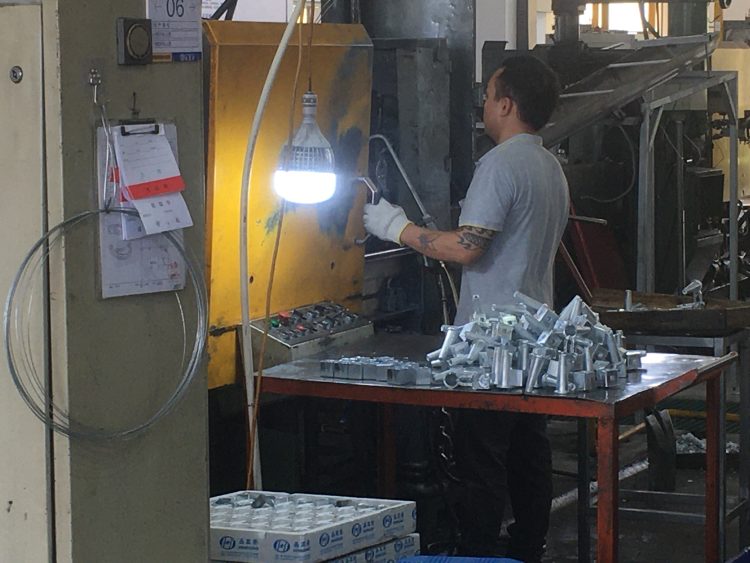
For buyers evaluating zinc die casting components, this distinction is crucial. A zinc part left unfinished may develop a harmless white patina, but it will never suffer the destructive, flaking rust that destroys steel parts. This innate corrosion behavior is one reason why zinc alloys are so trusted in demanding environments.
2. Will Zinc Alloy Rust Over Time?
A common follow-up question from buyers is whether Zamak—the most widely used zinc alloy in zamak die casting—will rust over time. Again, the answer is no, not in the iron-oxide sense. Zamak alloys, composed primarily of zinc with aluminum, magnesium, and copper, inherit zinc’s excellent atmospheric corrosion resistance. However, in prolonged exposure to high humidity, salt spray, or industrial pollutants, Zamak can develop “white rust” — a form of zinc corrosion that appears as a powdery white deposit.
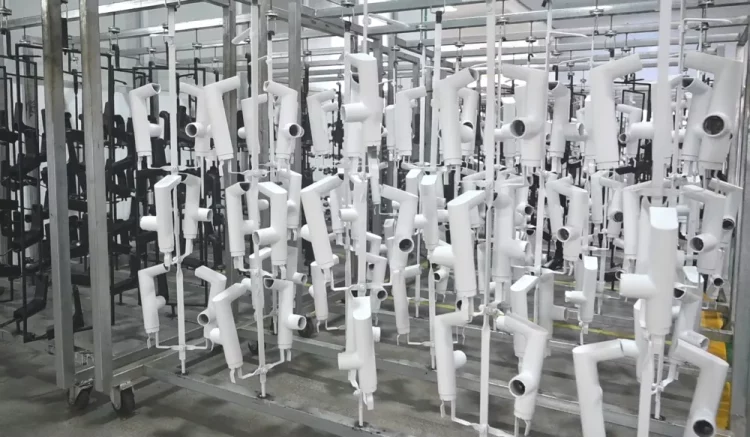
Importantly, this white rust is typically superficial and can be entirely prevented with proper surface finishing. This is why high-end manufacturers invest heavily in electroplating, PVD coating, or high-quality painting. A properly finished Zamak component from a reputable zinc die casting manufacturer will maintain its structural integrity and aesthetic appeal for decades, even in bathroom or outdoor settings. Your clients trust you for durable, flawless products, and selecting a partner who understands how to combat white rust from both the alloy selection and finishing perspective is essential.
3. Corrosion-Resistant Properties of Zinc
Why exactly is zinc so effective at resisting corrosion? The answer lies in two distinct mechanisms unique to this metal. First, as mentioned, zinc forms a stable, tightly bonded oxide layer that acts as a physical shield. Once this layer develops, oxygen and moisture can no longer reach the fresh metal below. Second, zinc is anodic to many other metals. In practical terms, when zinc is in contact with a more noble metal in the presence of an electrolyte, the zinc will corrode preferentially while protecting the other metal. This sacrificial protection is the principle behind galvanizing, but it also means that in a zamak die casting assembly that includes steel inserts or fasteners, the zinc will often protect those components from rust.
This dual-action defense makes zinc die casting parts exceptionally reliable in real-world applications. For sanitary ware, this translates into faucet bodies and handles that resist the constant onslaught of water, soap, and cleaning chemicals far better than many alternative materials. Buyers concerned with does zinc rust will be reassured knowing that the protective mechanisms are not a superficial coating but a fundamental characteristic of the metal itself.
4. Corrosion-Resistant Metals for Die Casting
When designing high-end metal components, procurement teams often compare different die casting materials for corrosion resistance. How does zinc stack up against the alternatives?
-
Aluminum die casting: While lightweight, aluminum is more prone to galvanic corrosion when in contact with other metals and often requires chromate conversion coatings. Bare aluminum also oxidizes quickly.
-
Magnesium die casting: Magnesium offers the lightest weight but has extremely poor corrosion resistance without complex, expensive coating systems.
-
Brass and bronze: These copper-based alloys offer good corrosion resistance but are significantly heavier and more expensive to cast.
-
Zinc (Zamak) alloys: Zamak provides an excellent balance of corrosion resistance, mechanical strength, and castability. It allows for thinner walls, tighter tolerances, and accepts a wide range of decorative and protective finishes more effectively than aluminum or magnesium.
For premium sanitary ware, lock bodies, and medical housings, zamak die casting consistently emerges as the superior choice. Its natural corrosion resistance, combined with the ability to apply flawless chrome or nickel plating, satisfies both engineering and design requirements.
5. Zinc Plating and Surface Finishes to Enhance Corrosion and Rust Resistance
While zinc and Zamak are inherently resistant, the final product’s performance is dramatically elevated by applying appropriate surface treatments. This is where a truly integrated zinc die casting manufacturer becomes invaluable. When sourcing, ask your supplier about these proven finishing technologies:
-
Electroplating (Chrome, Nickel, Brushed Nickel): By depositing multiple layers of copper, nickel, and chromium onto the Zamak surface, we create a composite barrier that can withstand hundreds of hours of neutral salt spray testing. This is the gold standard for high-end bathroom fittings.
-
PVD (Physical Vapor Deposition): PVD coatings produce an ultra-hard, corrosion-resistant ceramic thin film in colors like gold, rose gold, and gunmetal. Ideal for luxury hotel projects.
-
Electrophoretic Coating (E-coat): Often applied as a clear or colored lacquer over satin nickel finishes, it seals pores and boosts chemical resistance.
-
Zinc Plating: While typically used on steel parts, understanding the zinc-on-zinc plating process is vital for assemblies that include both materials.
At our ISO 9001 certified facilities in Xiamen and Hanoi, we operate a state-of-the-art in-house electroplating line. Parts move directly from zamak die casting and CNC machining to polishing and plating, all under one roof. This ensures that the plating adhesion and thickness are perfectly matched to the base Zamak, virtually eliminating the risk of future blistering or peeling. For buyers wary of the question does zinc rust, a vertically integrated surface finishing system is the ultimate answer.
6. Is Zinc Metal Corrosion Resistant?
To conclude with the essential question: Is zinc metal corrosion resistant? Absolutely. Zinc’s unique ability to form a self-healing passive layer, combined with its sacrificial anode properties, makes it one of the most corrosion-resistant non-ferrous metals available for commercial manufacturing. When formulated into Zamak alloys and processed through precise zinc die casting techniques, it delivers a combination of durability, design freedom, and finishing versatility that few other materials can match.
For procurement managers, the key takeaway is this: The material itself is exceptional, but the true longevity of your product is determined by the manufacturing partner you choose. A supplier with deep expertise in zamak die casting, a thorough understanding of alloy chemistry, and fully integrated surface finishing capabilities can help you deliver components that stay corrosion-free for a lifetime.
Ready to source zinc die cast parts that never compromise on corrosion resistance? Contact our engineering SITCK INDUSTRY team today for a consultation.