When it comes to sourcing precision metal parts, zinc alloy die casting stands out as an efficient and cost-conscious option. If you’re exploring zinc die casting—or maybe zamak or zamac die casting—you’re probably after consistent quality, fair pricing, dependable lead times, and the convenience of one-stop manufacturing.
Here’s a straightforward guide to help you understand the process and pick the right supplier.
Zinc alloy die casting involves injecting molten zinc alloy (commonly Zamak or Zamac) under high pressure into precise molds. This method is prized for producing metal components with complex shapes and tight tolerances.
The usual alloys include Zamak 3, 5, and 2. They strike a solid balance among strength, flexibility, and surface finish, making them versatile for both industrial and decorative uses.
Comparing zinc die casting with other methods like CNC machining or aluminum casting shows that zinc die casting generally offers a strong mix of cost-effectiveness and product quality, especially when producing medium to large volumes.
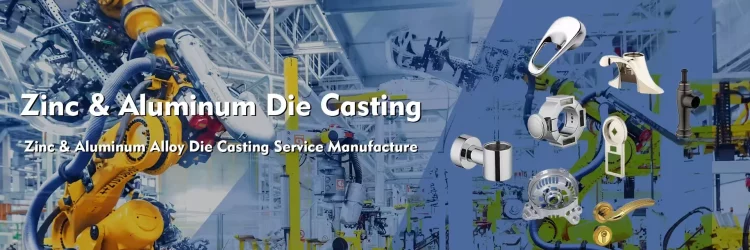
Why consider zamak die casting? Several reasons:
- You get high precision and can shape intricate designs, often avoiding extra finishing work.
- The surface finish is excellent, making it ideal for electroplating, painting, or PVD coating.
- It tends to be more cost-efficient overall, cutting down on wasted material and labor compared to machining.
- Production speeds can be faster due to the high-pressure casting involved.
Zinc die casting finds use across numerous fields—bathroom hardware like faucets and shower parts, security locks, furniture fittings, automotive components, and consumer electronics. It’s notably popular in Europe and North America for hardware pieces that blend function with style.
Managing multiple suppliers can be a headache; that’s where a full-service manufacturer helps. For instance, STICK INDUSTRY offers zinc die casting, CNC machining, polishing, electroplating, painting, and PVD coating under one roof. This integration tends to bring better quality consistency, shorter lead times, and a more streamlined supply chain.
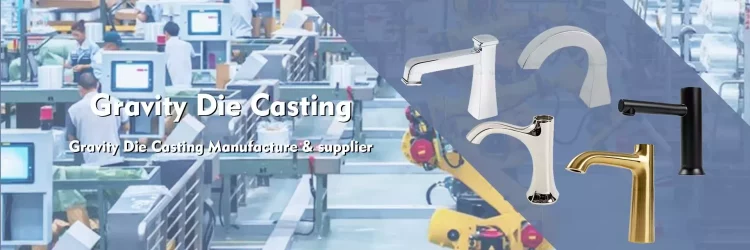
Why choose STICK INDUSTRY?
They hold ISO9001 and CE certifications, ensuring solid quality control. Equipped with over 20 die-casting and gravity casting machines, ranging in tonnage from 80 to 400 tons.Their client list includes trusted names like TOTO, KOHLER, and Master. Plus, all production steps—from casting to finishing—are handled in-house. With facilities in both Vietnam and China, they help buyers navigate tariffs, diversify supply, and improve delivery reliability.
When selecting a zinc die casting manufacturer, keep an eye on:
- Whether they have the key processes under their own roof instead of outsourcing.
- Their expertise in surface treatments, since plating quality hugely affects the end product.
- Experience in exporting to regions like the EU and US, which helps smooth communication and compliance.
- Engineering support that can help optimize your designs for cost and manufacturability.
A few quick FAQs:
- Zamak and Zamac are basically the same alloy; the difference is regional spelling.
- Zinc die cast parts hold up outdoors well, especially when properly plated or coated.
- Minimum order quantities generally start around 1,000 to 5,000 pieces, depending on part complexity.
In short, if you’re sourcing zinc alloy die casting, aligning with a reliable and capable supplier is key to keeping your project on track. STICK INDUSTRY’s expertise in zamak and zamac die casting positions them to deliver solid, cost-effective results for buyers worldwide.
If you need a partner you can count on, send your drawings or samples their way.
You’ll get a quick quote—usually within 24 hours—professional engineering guidance, and pricing that competes.
Reach out now and get your project underway.